As we advance further into the 21st century, the development of laser technology continues to accelerate across various fields such as healthcare, telecommunications, and industrial applications. This increase in the utilization of laser technology necessitates a parallel advancement in laser safety measures to protect users from potential hazards. The evolution of laser safety glasses is, therefore, a crucial consideration, and several key trends are influencing their development today.
Enhanced Protection and Certification

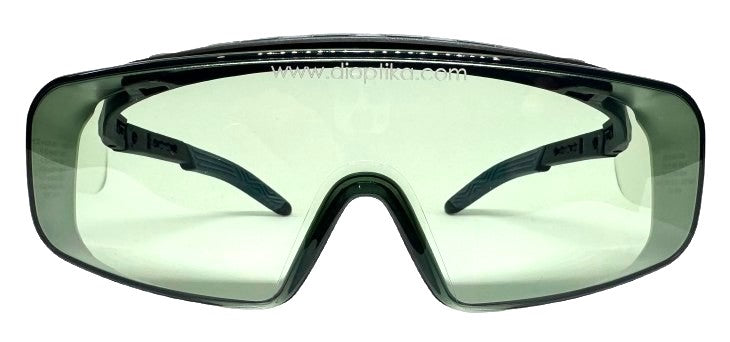
Safety is at the forefront when it comes to the design and manufacture of laser safety glasses. Modern products are increasingly becoming EN207 certified, ensuring they meet specific safety standards for laser protection. For instance, the LG-100 laser safety glasses offer protection against 2100nm to 10600nm, ensuring coverage for Holmium and CO2 laser applications. These glasses are designed to fit over regular eyeglasses, providing an easy and comfortable solution for prolonged use.
Versatile Applications

Another significant trend is the development of versatile laser safety glasses that can handle multiple wavelengths. The LG-008L model, for example, provides protection across a broad range of wavelengths from 800 to 1700nm, making it suitable for IR telecommunications applications. This versatility reduces the need for multiple pairs of specialized glasses, streamlining the process for industries utilizing various laser technologies.
Wraparound and Universal Fit Designs

Comfort and practicality are crucial for widespread adoption of laser safety glasses. Wraparound designs have become increasingly popular for their ability to provide comprehensive protection while maintaining comfort. The LG-228N glasses feature a wraparound style, offering both OD 7+ protection and a snug fit that ensures safety in environments dealing with 1064 nm Nd:YAG lasers.
Similarly, universal fit and fitover designs are becoming more prevalent. The LG-005 offers a fitover design that is perfect for users who wear prescription glasses, providing safety against 445nm to 532nm wavelengths commonly found in green and blue laser applications.
Expanding Wavelength Coverage

With the broadening spectrum of laser applications, laser safety glasses are being developed with expanding wavelength coverage. The LG-009N glasses exemplify this trend by offering protection against the 10600 nm CO2 and UV spectrum, addressing needs in both industrial CO2 laser applications and environments with UV exposure.
Conclusion
In summary, as laser technology's role in various sectors continues to grow, so does the need for advanced laser safety measures. With strides being made in certification standards, design versatility, and wavelength coverage, laser safety glasses are becoming more advanced and user-friendly. To explore a range of options that meet these modern standards in laser safety, visit Laser Glasses.
These emerging trends are paving the way for safer, more effective application of lasers in a host of industries, ensuring user safety while facilitating technological progress.